A Breakthrough in the Search for Extraterrestrial Clim
For years, astronomers and NASA researchers have turned their telescopes toward the TRAPPIST-1 system. Located just 41 light-years from Earth, this nearby cosmic neighborhood remains one of the most promising locations for finding a real space anomaly or signs of habitable environments.
Now, astrophysicists have developed a faster way to forecast “alien weather” on these distant exoplanets. This breakthrough could revolutionize how we analyze atmospheric data, bringing us closer than ever to uncovering the secrets of alien worlds.
The Mystery of the TRAPPIST-1 Habitable Zone
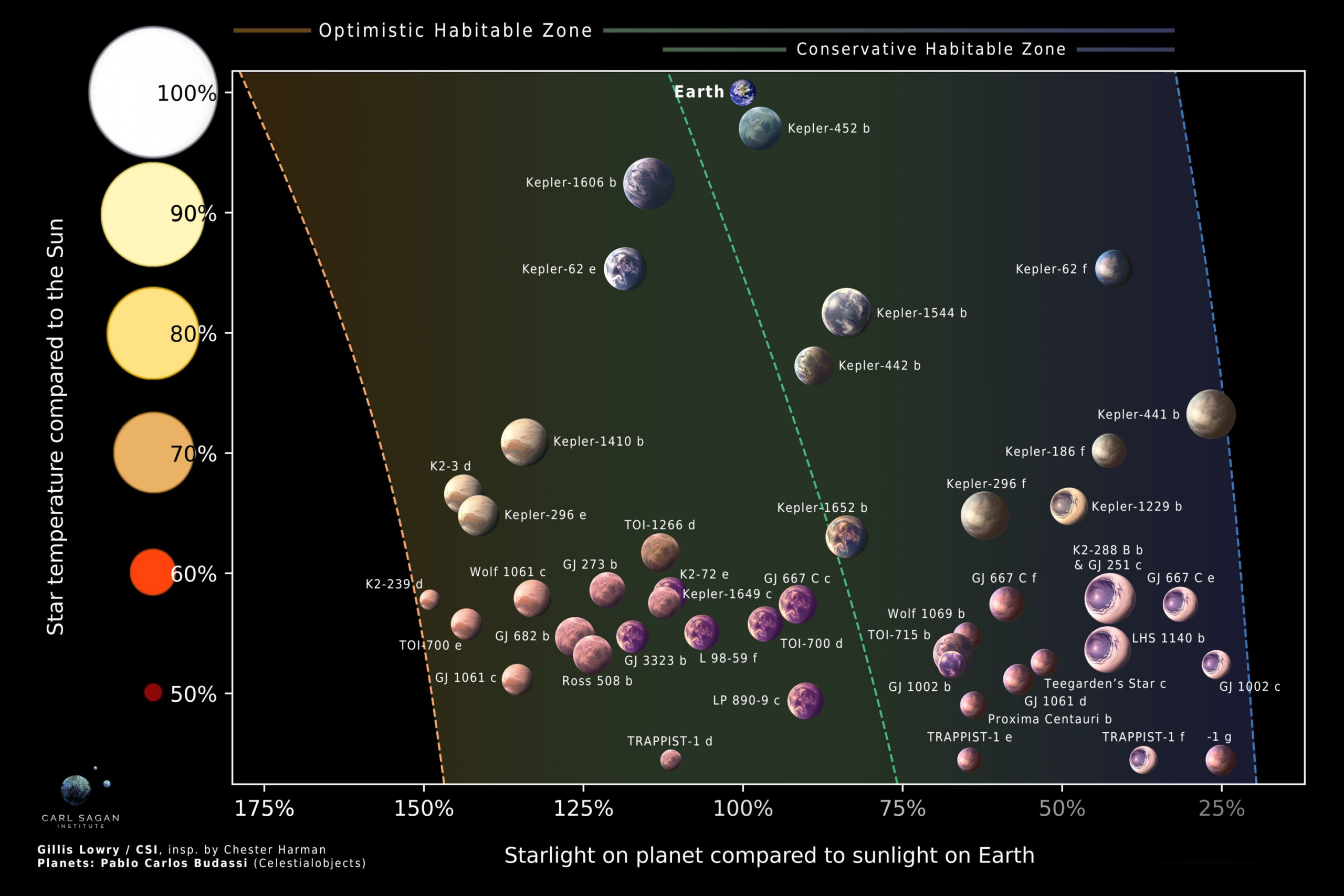
The TRAPPIST-1 system features seven Earth-sized planets orbiting a dim, red M-dwarf star. Among these, planets TRAPPIST-1e and TRAPPIST-1f sit directly within the star’s coveted habitable zone, making them primary targets for astrobiology research.
However, these worlds harbor a major climate mystery. Because they orbit so close to their host star, scientists believe both planets are tidally locked, meaning they do not rotate relative to their sun.
This celestial phenomenon results in a permanent day side and a permanent night side. Between these two extreme halves lies a thin, everlasting twilight band known as the “terminator zone,” where life could theoretically survive.
Predicting Weather on Tidally Locked Worlds
This extreme climate setup creates complex atmospheric currents that were previously incredibly difficult and time-consuming to simulate. The new forecasting method allows researchers to model these alien atmospheres in a fraction of the time, bypassing traditional computational bottlenecks.
By understanding how winds and heat circulate on TRAPPIST-1e and -1f, scientists can better identify potential biosignatures. If an atmosphere is stable enough to distribute heat from the day side to the night side, it increases the chances of liquid water persisting on the surface.
As advanced observatories continue their sweep of the cosmos, decoding these weather patterns is a critical step forward. This scientific leap brings us closer to answering the ultimate question: are we truly alone, or is life waiting to be discovered just 41 light-years away?
2
Deixe um comentário