For decades, keeping track of UFO sightings and unexplained cosmic anomalies was a slow, word-of-mouth process. Today, the landscape of ufology has been completely transformed by real-time technology and instant data feeds.
As agencies like the Pentagon and NASA release once-classified information, researchers no longer have to wait years for paper trials. Automated syndication tools and instant feeds are keeping the global community informed the second a new report drops.
How Real-Time Data Solves the Mystery
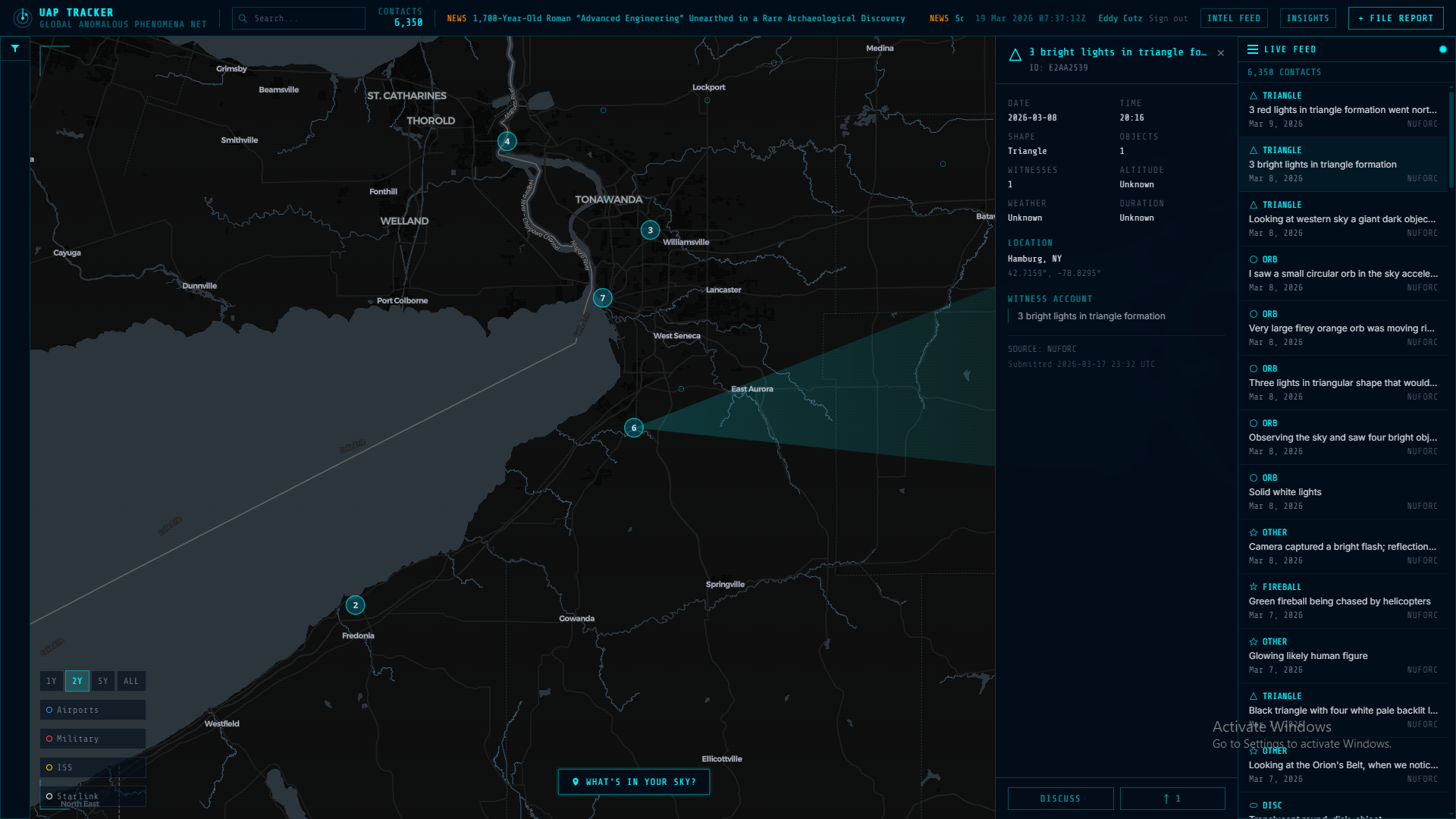
The modern search for answers relies heavily on speed and data accuracy. By utilizing sophisticated tracking networks and automated digital feeds, enthusiasts can monitor live sky-mapping data as it happens.
This instant flow of information allows scientists and citizen investigators to instantly cross-reference flight paths and meteorological data. When a strange anomaly is spotted in the night sky, every second counts to determine if we are looking at a drone or something truly unexplained.
No longer isolated to obscure forums, these technological feeds have democratized the study of UAPs. Serious researchers can now filter out known commercial aircraft in seconds, focusing purely on the high-quality data that defies explanation.
Connecting Global Databases
The integration of live RSS feeds and open-source intelligence has bridged the gap between independent researchers and official military databases. Thousands of global sky-watchers are now connected through a single decentralized network of information.
This massive network ensures that no single sighting goes unrecorded, creating an invaluable database of aerial phenomena. By tracking patterns across continents in real-time, we are closer than ever to understanding the true nature of these mysterious objects.
A New Era of Transparency
The shift toward open data has forced official institutions to change how they handle anomalous aerial phenomena. Public pressure, fueled by rapid information sharing, has led to unprecedented congressional hearings and a demand for truth.
With every automated update and shared report, the gap between official secrecy and public knowledge grows smaller. The next groundbreaking discovery might not come from a classified military lab, but from a real-time alert sent directly to an amateur astronomer’s phone.
Deixe um comentário