Spicing Up Bureaucracy: The Call for UAP Oversight at Reopening Airports
As international aviation networks face unprecedented structural and technological changes, the conversation surrounding airspace security has penetrated local municipal politics. During a recent City of Doncaster Council meeting discussing the highly anticipated reopening of Doncaster Sheffield Airport (DSA), an unexpected proposal shifted the administrative focus toward anomalous aviation security. Councillor Kieran Lay, representing Reform UK, formally recommended the establishment of a dedicated overview and safety committee specifically designed to track Unidentified Anomalous Phenomena (UAPs) within the local flight corridors.
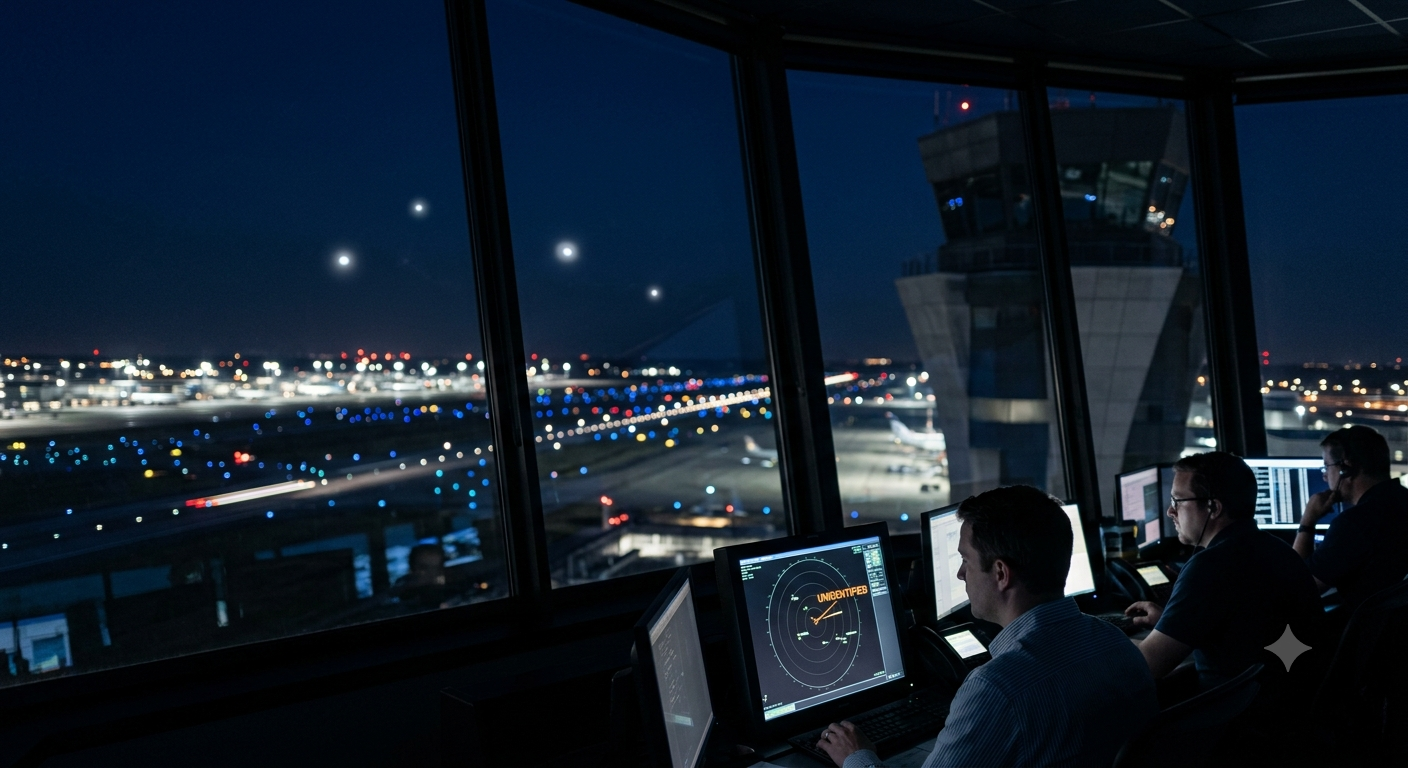
While the initial proposal drew immediate attention from local media, Councillor Lay later clarified that his mentions of historical “UFO” monitoring were strategically intended to “lighten the mood” and spice up standard bureaucratic procedures. However, the politician emphasized that behind the unorthodox rhetorical approach lay a fundamentally **serious point about aviation safety**. As civil airports prepare to reactivate dormant radar systems and manage dense commercial flight paths, ensuring total transparency regarding unmapped or anomalous radar returns remains a vital operational necessity for ground crews and incoming pilots alike.
From Alternative Lore to Municipal Safety Frameworks
The debate inside the Doncaster council highlights a growing trend where local governing bodies are forced to confront aerospace anomalies that were once strictly handled by classified federal military intelligence. The argument for integrating localized UAP tracking frameworks into standard airport safety protocols rests on several modern logistical challenges:
- Radar System Integrity: Reopening commercial airports require rigorous calibration of secondary surveillance radars to detect both conventional aircraft and uncooperative low-signature targets.
- Pilot Communication Channels: Creating localized reporting systems ensures that commercial flight crews can log unusual visual or sensory encounters without facing institutional penalties or professional ridicule.
- Proactive Airspace Zoning: Managing the airspace around regional hubs like the **Doncaster Sheffield Airport** requires constant surveillance against modern drone incursions, atmospheric anomalies, and unclassified civilian traffic.
Though administrative critics initially dismissed the committee proposal as a political stunt, aviation safety analysts argue that the core premise aligns perfectly with global shifts in aerospace governance. Dismissing anomalous tracking data as mere humor ignores the expanding reality that civil airspace is becoming increasingly crowded with technological variables that current air traffic control frameworks are not fully equipped to categorize.
The Mainstream Shift in Commercial Aviation Security
The transition of the UAP subject from federal military black-budget operations into local city council debates signals a profound cultural and structural evolution. What used to be discussed strictly behind closed doors by defense officials is now openly debated as a matter of local municipal infrastructure and public safety. This sudden normalization proves that the global aviation industry can no longer afford to turn a blind eye to unexplained sensor data or veteran eyewitness reports.
This push for public transparency and structured tracking mechanisms directly mirrors the ongoing movement within international defense sectors, where elite tactical pilots are demanding better reporting tools. To understand how professional flight crews are forcing global institutions to take these anomalous risks seriously, read our full investigation on Pilots and Astronauts Breaking Silence on Declassified UAP Encounters, revealing that what local politicians are trying to “spice up” is already being treated as a high-stakes national security priority around the globe.
Deixe um comentário