The Professional Breakthrough: Testing the Boundaries of Conventional Flight
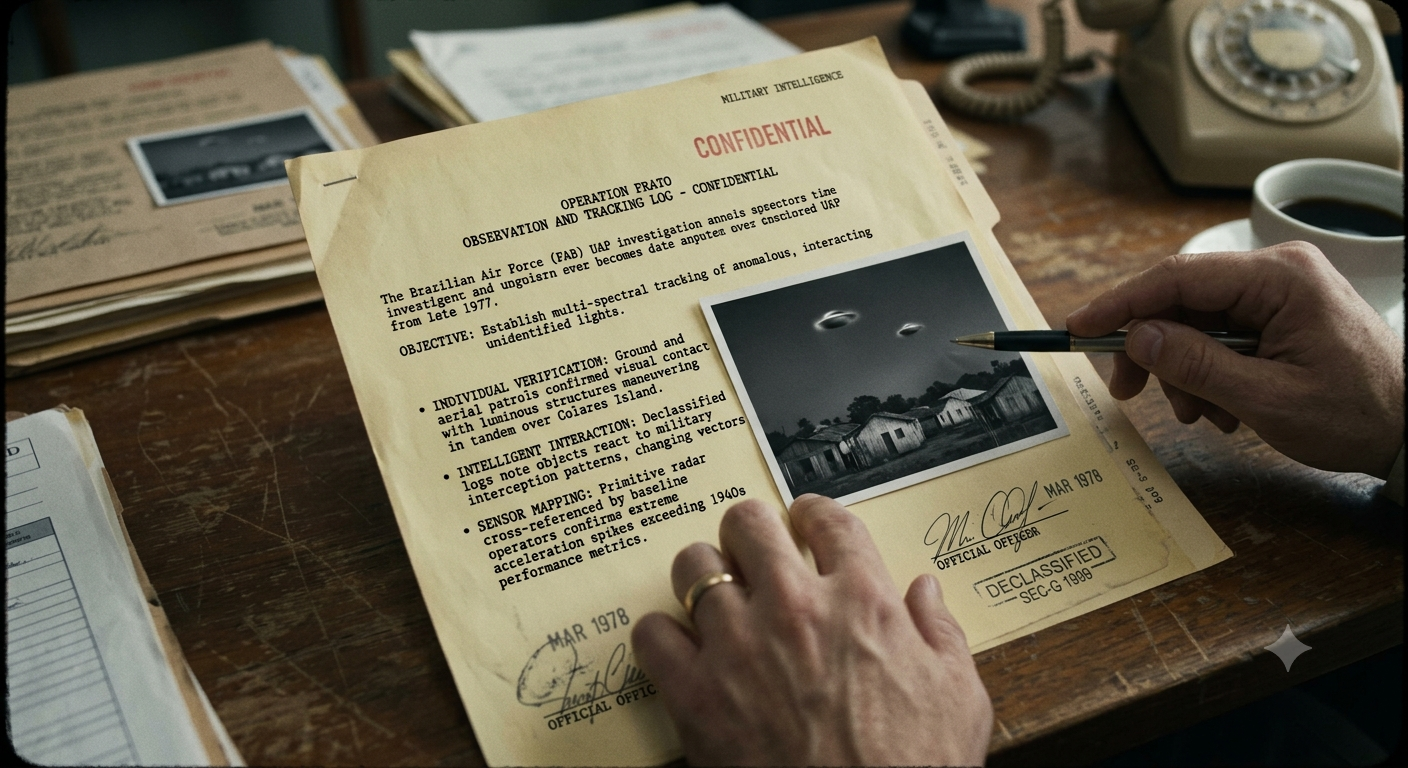
For decades, the discussion surrounding unidentified flying objects was relegated to the fringes of alternative research and informal sightings. However, a major shift has occurred within the highest echelons of national security, as highly trained tactical pilots, commercial aviators, and veteran astronauts are step-by-step breaking their military silence. Official tracking data and formal declassification efforts from the United States defense apparatus have forced a serious, data-driven evaluation of what the Pentagon officially labels as Unidentified Anomalous Phenomena (UAPs). These are no longer distant anomalies or digital artifacts; they represent physical objects recorded by multi-spectral military sensory networks.
Naval aviators who operated within active training sectors along the Atlantic coast have detailed persistent encounters with structured craft that exhibited severe aerodynamic advantages. According to declassified mission flight logs, these anomalous structures demonstrated the capability to remain completely stationary against hurricane-force winds, only to suddenly accelerate to hypersonic vectors without producing visible thermal signatures, exhaust plumes, or sonic booms. The extreme consistency of these professional testimonies has officially stripped the UAP subject of its historical taboo, turning it into an urgent issue of **national security risks** and aerospace safety.
Sensory Corroboration: Why the Testimony of Flight Crews Changes Everything
What differentiates modern UAP investigations from vintage historical files is the multi-layered grid of verification. The arguments pointing to optical illusions or psychological fatigue among flight crews are no longer sustainable under strict intelligence scrutiny. Current investigations confirm that these encounters are anchored by three critical pillars of evidence:
- Dual-Sensor Verification: Advanced military pilots have confirmed tracking the exact same physical objects simultaneously through direct visual observation and state-of-the-art radar tracking grids.
- Defying Known Physics: Witness statements from both commercial and military cockpit operators describe sudden, instantaneous right-angle turns and altitude drops that would physically crush any known human aircraft due to extreme G-force loads.
- Space Station Anomalies: Even outside Earth’s atmosphere, historical telemetry data from veteran space program operators indicates observations of anomalous maneuvering structures orbiting alongside human spacecraft.
The structural parameters of these encounters have forced government intelligence committees to admit that our active defense sensors are facing anomalies that completely bypass current aerodynamic manufacturing capabilities. When tactical radar operators and elite pilots are forced to maneuver their multi-million-dollar fighter jets to actively avoid mid-air collisions with unidentified spheres, the operational reality changes from an academic mystery to an immediate defense vulnerability.
The Geopolitical Implications of Advanced Aerospace Anomalies
The ongoing disclosure process highlights a deeper, more concerning question for global defense networks. If these advanced, highly coordinated crafts do not belong to the strategic inventory of the United States or its western allies, the possibility of a foreign adversary having achieved such a generational leap in quantum propulsion introduces a massive intelligence shift. However, the total absence of traditional flight control surfaces, such as wings or thrusters, points toward technologies that transcend traditional terrestrial engineering paradigms entirely.
As intelligence agencies continue to process these declassified files, the necessity for total administrative transparency becomes paramount. This pattern of institutional tracking and containment mirrors other historical incidents where complex data infrastructure faced unexplained blind spots or interference. To understand how automated monitoring systems and tracking operations react during unprecedented mechanical crises, read our deep-dive analysis on the recent NASA Antenna Mishap Involving Deep Space Station 14, showcasing how vulnerabilities in global monitoring networks leave us isolated when critical data feeds go dark.