The Boundary of Defense Intelligence Transparency
The administrative battleground over government disclosure regarding Unidentified Anomalous Phenomena (UAPs) has hit a significant institutional wall. While recent executive guidelines suggested a broader push toward state-level transparency, official verification logs compiled by the civilian archive The Black Vault confirm that defense command channels are actively limiting the release of new sensor telemetry. Following multiple high-level Freedom of Information Act (FOIA) requests tracking military airspace incursions, the United States Department of the Navy formally stated that it will not authorize any further public access to its internal visual databases.
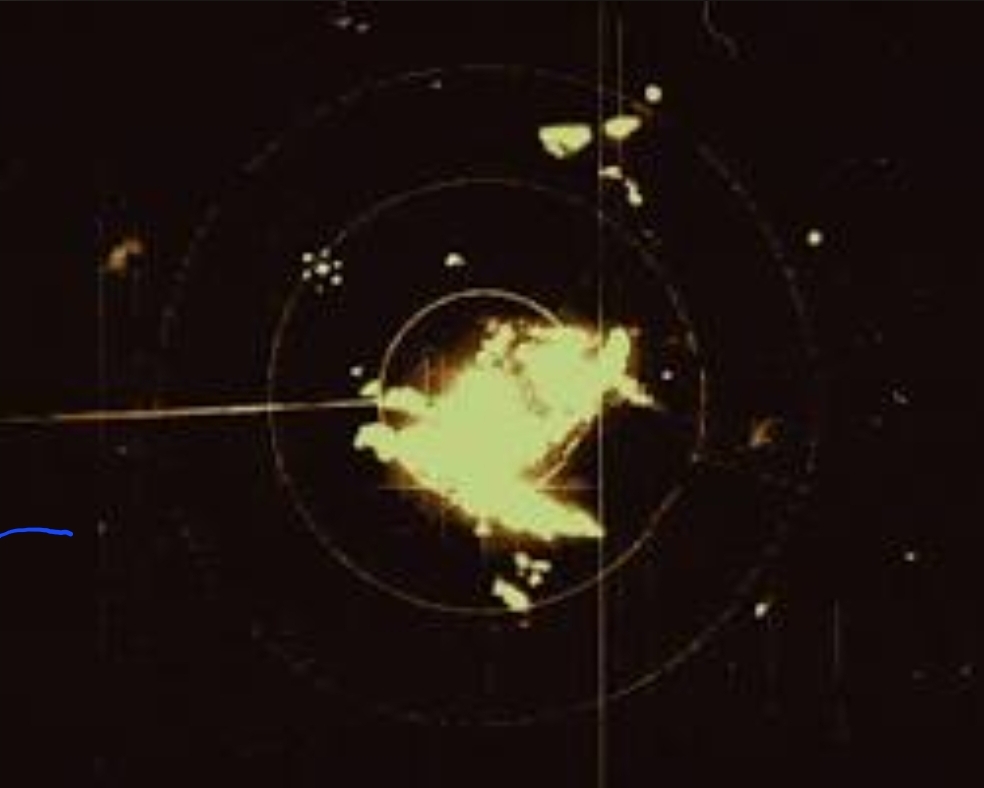
The structural denial issued by naval intelligence specialists marks a stark departure from the public optimism surrounding modern declassification efforts. According to the formal text of the rejection notices, the military apparatus acknowledges the existence of extensive unreleased footage, tactical photo arrays, and sophisticated multi-sensor tracking metrics. However, defense officials argue that moving these files into the public domain would provide foreign adversaries with highly critical insight into current electronic warfare protocols.
Sensors, Capabilities, and the National Security Standard
The core justification for withholding additional UAP intelligence centers entirely on the technological sensitivity of current defense platforms. Naval authorities clarify that the raw files are captured by frontline assets operating within tightly controlled training sectors and strategic naval corridors. Intelligence units have outlined specific operational parameters that prevent further unsealing of these records:
- Vulnerability Exposure: Raw video assets can inadvertently reveal the exact detection ranges, tracking speeds, and infrared limits of advanced fighter jet sensor suites.
- Tactical Triangulation: Unedited telemetry logs allow external military analysts to calculate secret naval maneuvering zones and fleet deployment layouts.
- Proprietary Codecs: Digital processing methods utilized to stabilize anomalous radar captures remain tied to top-secret defense communications networks.
As a direct consequence of these strict security assessments, the Department of Defense maintains that even if the observed airborne objects remain classified as “unidentified,” the physical metadata surrounding the encounters is fundamentally tied to national survival protocols. This creates a challenging paradox for independent research organizations, where the scientific data needed to evaluate anomalous flight dynamics is locked away behind the very systems designed to guard federal airspace borders.
The Conflict Between Scientific Inquiry and State Secrets
The dynamic interaction between decentralized civilian investigators and the military enterprise highlights a widening gap in the modern UAP discourse. While legislative bodies continue to push for updated reporting frameworks through agencies like the All-domain Anomaly Resolution Office (AARO), the navy’s definitive stance proves that national defense priorities will consistently override public transparency initiatives. This systemic containment strategy limits global engineering groups from cross-referencing multi-spectral files that could help resolve complex physics anomalies.
The current institutional freeze ensures that civilian-led digital directories remain the primary tool for trackable transparency. Despite intense bureaucratic blockages and aggressive redaction policies that erase vital coordinates from unsealed files, the continuous monitoring of federal archives ensures that authentic encounter patterns are not entirely scanned from history. By focusing heavily on the physical mechanisms of data collection, the research community continues to challenge official defense barriers, proving that the search for definitive answers requires uncovering the raw tracking infrastructure hiding beneath layers of state secrecy.